

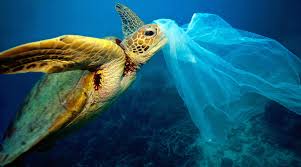
Jellyfish and plastic bags
You can see the difference, turtles can't!
In the ocean, plastic bags float as if they were natural prey, like jellyfish. When turtles mistake them for food, they end up ingesting the plastic, which can cause serious injuries or even death. Each improperly discarded bag becomes an invisible trap for marine life. Rethink your habits. Use less plastic. Protect those who cannot protect themselves.
Tank species
Atlantic sea nettle
.jpg&w=1920&q=75)
Chrysaora quinquecirrha
The Atlantic sea nettle is a species that lives in the coastal areas of the United States. They are warm-water animals, with an ideal temperature range between 26°C and 30°C. Their diet is varied, feeding on zooplankton, salps, crustaceans, and small fish. They have a short life cycle, living from 6 to 18 months. Their body is composed of the bell - the rounded area on the upper part of the body -, four long oral arms, and tentacles surrounding the bell. Eye spots located on the bell and tentacles allow these animals to detect light, although they cannot form clear images. Other structures help them sense gravity.
Plastic bag
.jpg&w=1920&q=75)
What are they? Animals, microalgae, food...?
Some might even classify them as invasive plankton in the oceans. In fact, this species has existed since the 1980s, with the accidental creation of polyethylene plastic. They are used worldwide, but due to their serious environmental impacts, there is growing incentive and legislation for their ban or restriction. Their consequences have been observed since 1997, when massive patches of garbage, caused by large amounts of plastic, were seen in the Pacific Ocean. The first country in the world to ban them was Bangladesh. In São Paulo, the use of oxo-degradable additives in plastic bag production is prohibited. In recent years, tests have confirmed the presence of microplastics even in our bloodstream. Petroleum-based plastic bags take hundreds of years to begin degrading. Improper disposal leads to accumulation in landfills and oceans. Moreover, their decomposition releases greenhouse gases (GHGs), polluting the environment and harming marine animals.