




.png&w=1920&q=75)
Christmas at the poles
Christmas at the poles
The activity “Christmas at the Poles,” developed by AquaRio’s Environmental Conservation Education Department, reinforces the role of environmental education as a transformative tool, especially when combined with festive and symbolic moments such as Christmas. The proposal is to celebrate and, at the same time, learn about the importance of protecting life in all parts of the planet — from the Arctic to Antarctica. Meet some of the animals:
Tank species
Orca

Orca - The Christmas Guardian of the Seas
Orcas have a hydrodynamic and muscular body adapted to aquatic life and fast hunting. Males can reach 8–10 meters in length and weigh up to 6 tons, while females reach about 7 meters and up to 4 tons. Their characteristic coloration includes a black back, a white belly, white patches behind the eyes, and a gray “saddle” patch behind the dorsal fin. Orcas have the widest distribution of any marine mammal and can be found in all the world’s oceans, from the Arctic to Antarctica, including tropical regions. They are more common in cold, food-rich waters such as the coasts of Canada and Alaska, the Antarctic Ocean, the coast of Norway, southern Chile and Argentina, and the Crozet Archipelago. Researchers have identified different ecotypes of orcas, with distinct genetic, behavioral, and dietary characteristics: resident orcas, which live near the coast and feed primarily on fish; transient or “Bigg’s” orcas, which hunt marine mammals; offshore orcas, which live in open ocean and feed on fish and sharks; and Antarctic orcas, divided into groups adapted to ice and cold southern waters. Orcas live in complex family groups called pods, which may contain from 2 to more than 40 individuals and are organized under a strong matriarchal hierarchy. Their communication involves clicks for echolocation and whistles and calls for social interaction, with each group having its own dialects, demonstrating a form of culture. They are extremely intelligent, capable of passing hunting techniques from one generation to another, learning new behaviors through observation, showing empathy, and even performing mourning rituals. Although widely distributed, some populations are threatened by the decline of natural prey, chemical pollution, underwater noise, capture for captivity, and climate change. The IUCN classifies the species as “Data Deficient” due to large variations among populations, some stable, others critically endangered. Ecologically, orcas are essential for maintaining ocean balance, and symbolically, they are seen as powerful and spiritual guardians by various Indigenous cultures of the North Pacific.
Polar bear
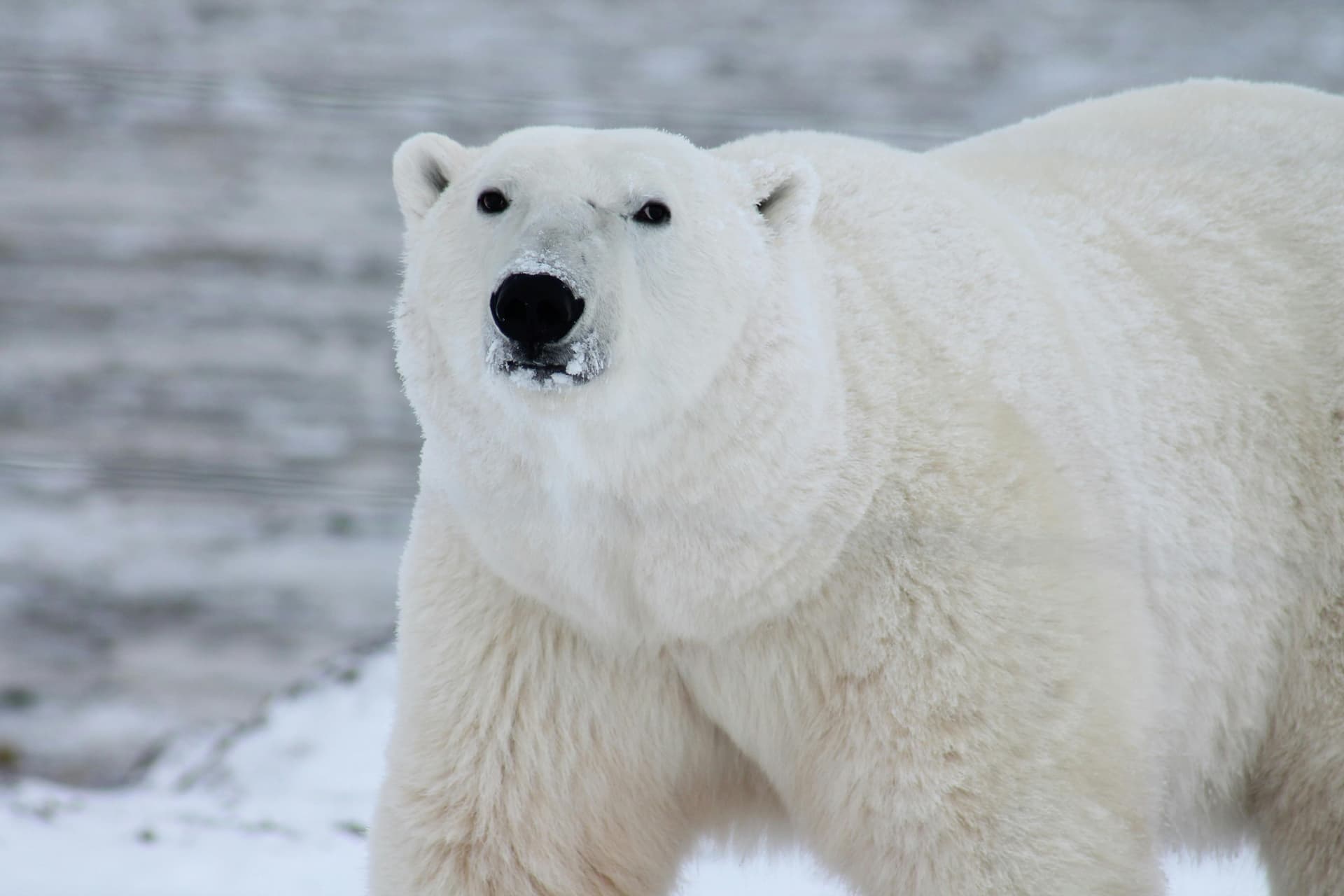
Polar Bear – The Christmas Protector of the Snow
The polar bear is a solitary mammal that lives in the icy waters of the Arctic Circle, a region that mainly includes Denmark, Norway, Russia, the United States (Alaska), and Canada. It is the largest bear species that inhabits cold environments and is considered the largest terrestrial carnivore. Recognized for its imposing size and white fur, the polar bear uses its coloration to camouflage itself on the ice while hunting. To withstand extreme cold and maintain body temperature, it has a thick layer of fat and dense fur. It is an excellent swimmer, especially thanks to its large front paws, which function like “paddles.” It is a solitary animal for most of its life, living in groups only during the reproductive period. Its preferred habitat is the area where the ice meets the water, which facilitates hunting and access to prey. Its diet consists mainly of animals that live in cold waters. Seals are its most frequent prey, but it also consumes salmon, birds, and other mammals such as dolphins and young sea lions. Additionally, polar bears may feed on dead whales trapped in ice blocks that are released during the warmer season. Polar bears are polygamous, although the male stays close during the female’s gestation period. Reproduction occurs between March and June, and gestation lasts between 195 and 265 days, during which the female significantly increases her food intake, gaining about 200 kg. Each pregnancy can result in the birth of up to two cubs, weighing around 600 grams and measuring between 30 and 35 centimeters. After birth, the cubs remain with the mother in the den until they reach approximately 15 kg and become independent between two and three years of age. The polar bear is classified as vulnerable and is at risk of extinction. Global warming is one of the main threats to the species, causing glacier melting and the loss of its natural habitat. Oil extraction also represents a major risk, as it releases pollutants that contaminate the water, harm food availability, and compromise the animal’s immune system.
Narwhal

Narwhal – The Frozen Legend of Christmas
The narwhal is a species of marine mammal native to the Arctic. This species has specially adapted slow-twitch muscles, along with articulated cervical vertebrae and a shallow dorsal ridge, allowing easy movement through the Arctic environment, where the narwhal spends long periods at great depths. The most striking feature of narwhals is a long spiraled tooth. Both sexes have a pair of tusks embedded in the upper jaw, but only males pierce the lip around the age of two. The tooth grows throughout the animal’s life, reaching lengths of 1.5 to 3 meters, is hollow, and weighs about 7 kg. This canine is used for defense and attack, aids in feeding and detecting water salinity (as a sensory organ with millions of nerve endings), and is also used to attract mates. Narwhals use sound to navigate and hunt. They vocalize mainly through clicks and whistles to communicate with other members of the group. It is estimated that there are 170,000 living narwhals, and the species is listed as Least Concern by the International Union for Conservation of Nature (IUCN). Narwhals inhabit the cold waters of the Arctic, especially in Canada, Greenland, and Russia. Every year, they follow a migration cycle. In summer, they move to ice-free areas, usually shallow regions such as bays, where they spend about two months. When winter arrives, they move to deeper locations covered by ice, feeding intensively during this period. This pattern repeats annually, often returning to the same locations. Their diet consists mainly of polar and Arctic cod, cuttlefish, shrimp, and squid. Diving to depths of up to 2,000 meters, the narwhal is among the deepest-diving cetaceans. They usually travel in groups of three to eight individuals. The population is threatened by the effects of climate change, such as reduced ice coverage, and by human activities like pollution and hunting. Narwhals have been hunted for thousands of years in northern Canada and Greenland for their meat and ivory, and regulated subsistence hunting continues today. In Europe, narwhal tusks were highly sought after for centuries due to the medieval belief that they were the horns of the legendary unicorn. Considered to have magical properties, narwhal tusks were used to treat poisoning and various diseases, such as measles and rubella.
Humpback Whales
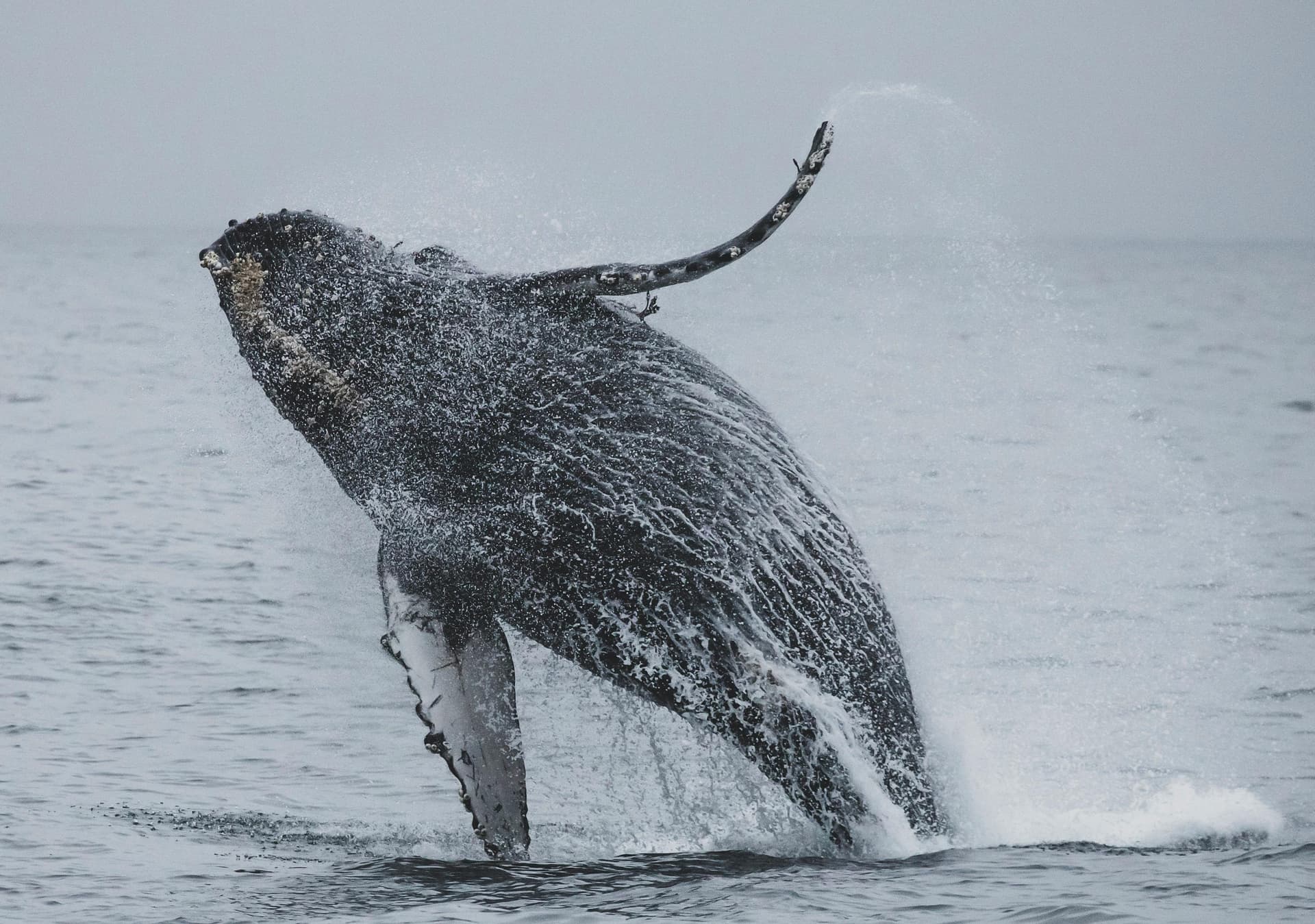
Humpback Whales – The Icy Christmas Choir
Humpback whales can reach up to 16 meters in length and weigh around 40 tons. They are easily recognized by their nearly black body, characteristic dorsal fin, large pectoral fins — which can be up to one-third of the body length and are usually white — and their tail flukes, whose underside features unique black-and-white patterns, allowing individual identification. Belonging to the group of baleen whales, humpbacks do not have teeth but instead have baleen plates on each side of the mouth. These plates act like a “comb,” allowing them to capture plankton and small crustaceans, such as krill, which is abundant in Antarctic waters. They also help catch small schooling fish like sardines. By opening their mouths and expanding their throat pleats, humpbacks take in large volumes of water, which are then expelled through the baleen, retaining only the food. Adult humpback whales can live an average of 60 years, grow up to 16 meters — roughly the size of a bus and a car combined — and weigh about 40 tons, equivalent to eight African elephants. Calves are born around 4 meters long and weigh about one ton. These whales are cosmopolitan, inhabiting all oceans, and undertake annual migrations to fulfill two essential cycles: feeding and reproduction. In summer, they migrate to waters near the South Sandwich and South Georgia Islands in Antarctica, where they feed on krill and small fish. In autumn, they begin an impressive journey of about 4,000 km back to Brazil. Here, they mainly gather at the Abrolhos Bank, between Espírito Santo and Bahia, staying for about seven months, a period that includes mating, gestation, calving, and nursing. During this time, adults do not feed, while calves consume approximately 100 liters of nutrient-rich milk daily, supporting rapid growth. Gestation lasts approximately 11 months, and newborns weigh around one ton and measure about 4 meters. Nursing continues for up to a year, during which calves consume large amounts of milk to ensure proper development. After their stay in the warm waters of southeastern and northeastern Brazil, humpbacks return to Antarctica to resume their feeding cycle. Humpbacks are also known for their “songs.” Males produce sounds at different frequencies and amplitudes to communicate, attract females, and display strength, behavior mainly observed in shallow Brazilian coastal waters. Each whale can be identified by the unique pigmentation pattern on its tail flukes, functioning as an individual “fingerprint.” The flukes can reach 5.5 meters in width, with serrated and pointed edges. Photographing the underside of the tail is essential for comparing with records in whale monitoring databases. Historically, humpbacks were nearly driven to extinction due to indiscriminate hunting, which intensified in the 19th century with steamships and harpoon cannons. In the South Atlantic, the population was reduced to only a few hundred individuals until commercial whaling was banned in 1968. Today, thanks to the significant recovery of their populations, the humpback whale is classified as “Least Concern” (LC) on the IUCN Red List.
Emperor penguin
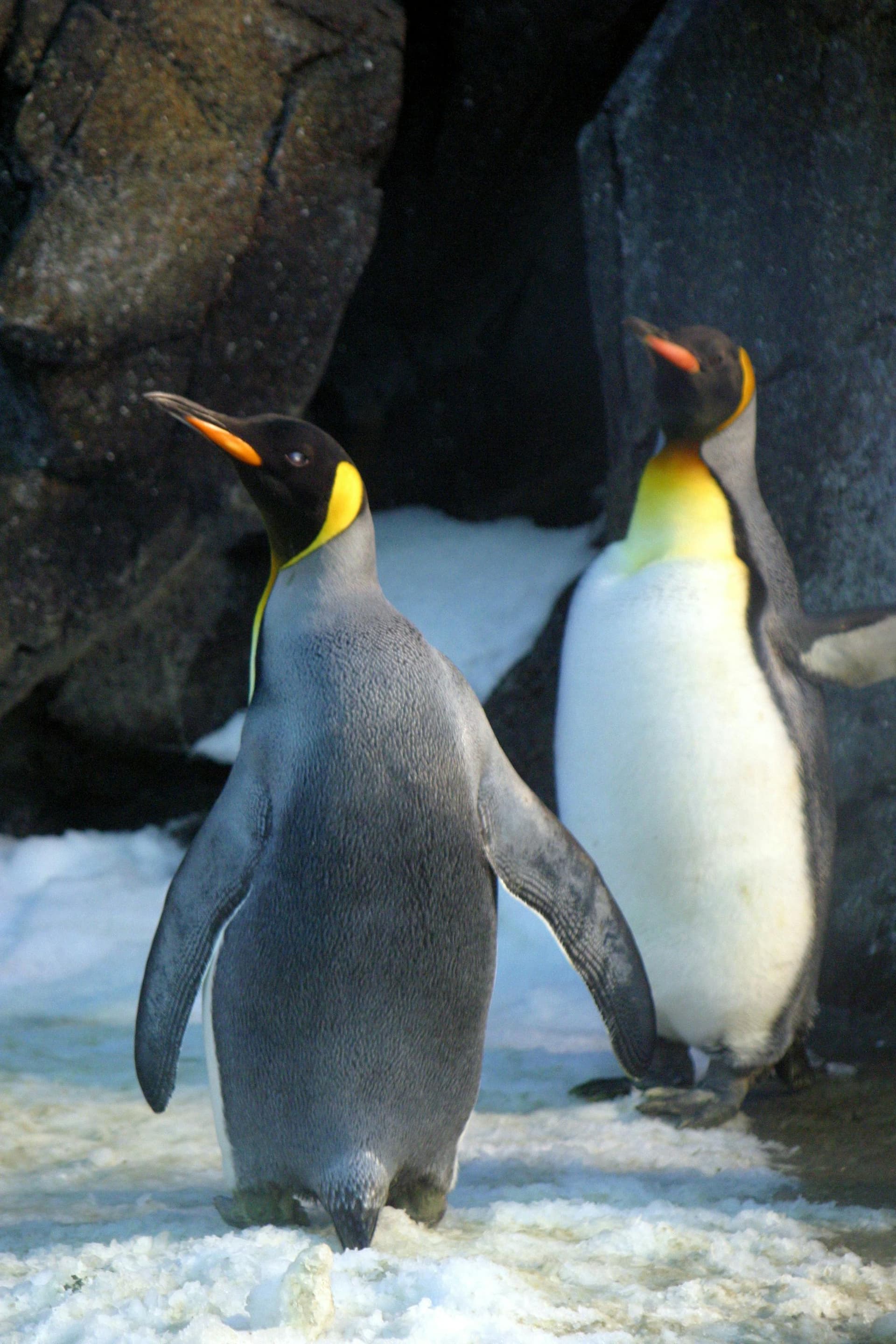
Emperor Penguin – The Christmas Ambassador of the Ice
The emperor penguin is the largest penguin species in nature. They live exclusively in Antarctica, spending most of their time on ice platforms and facing freezing winds that can reach -60°C. They inhabit regions where the ice meets the water, which facilitates hunting and access to prey. Their diet consists mainly of fish, but krill and cephalopods can also be important components, with a circumpolar distribution across the Antarctic continent. Anatomically, emperor penguins are flightless seabirds and the largest of their species, reaching between 112 and 115 centimeters in height and weighing 22 to 40 kilograms. Males are slightly larger than females, but both have similar plumage: black heads, white bellies, light yellow chests, and bright yellow ear patches. At birth, chicks have no feathers, only gray down, and weigh about 315 grams. Their life cycle includes shared parental care, with a unique characteristic: males incubate the eggs. Reproduction occurs between March and June, and the female lays a single egg between May and June after arriving at the colony in March or April. The incubation period lasts between 33 and 62 days, during which the male stands with the egg in his brood pouch while the female goes to the sea to feed. During this time, males fast and can lose up to half of their body weight. When chicks hatch, between late July and early August, the females return to relieve the males, allowing both parents to take turns foraging and caring for the chicks. Emperor penguins are both predators and important prey in the Antarctic food chain. However, they face significant threats, the greatest of which is climate change, causing sea ice to melt. This reduces breeding and feeding habitats and can drastically affect their populations. Studies indicate that if current warming rates continue, more than 80% of emperor penguin colonies may nearly disappear by 2100. Other threats include human disturbance and pollution, with recommendations to restrict access to rarely visited colonies and reclassify the species from “Near Threatened” to “Vulnerable.” Emperor penguins are adapted to cope with the ephemeral nature of sea ice and can move to new areas when necessary. However, severe regional changes in ice, such as in the Bellingshausen Sea, may reduce their ability to find suitable breeding sites. Researchers emphasize the urgent need to protect these birds, considering that reproductive failure and habitat loss due to global warming are concrete risks to the species’ survival.
Arctic Fox
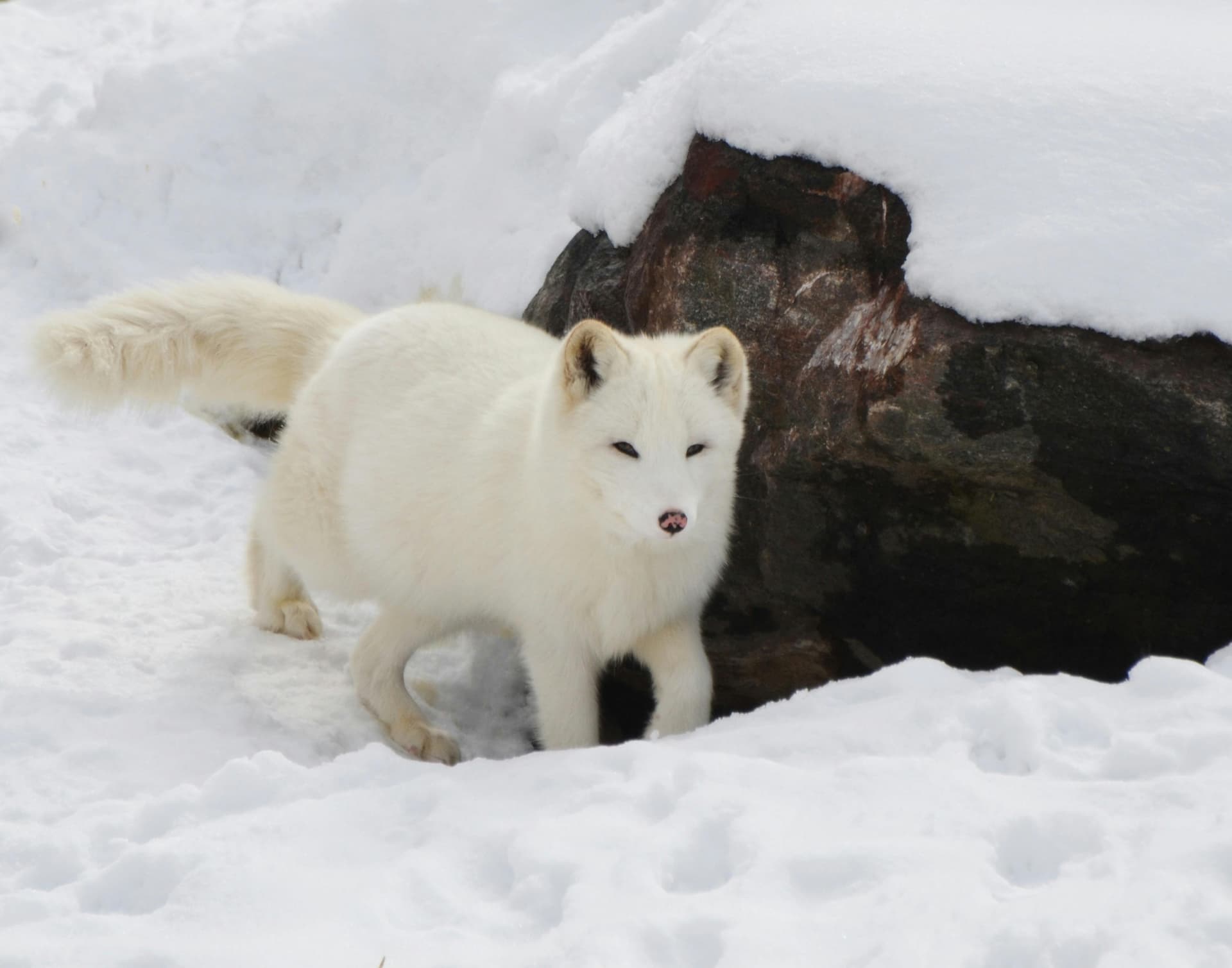
Arctic Fox – The White Christmas Watcher
The Arctic Fox possesses unique characteristics that make it an efficient survivor of the Arctic, capable of withstanding temperatures as low as -40ºC. Its fur is dense and white in winter, providing complete camouflage in the snow, and changes to shades of brown or gray in summer, blending with the tundra and rocks. It has one of the most insulating coats in the animal kingdom, with densely furred paws that aid movement on ice. Its compact body, measuring 50 to 70 cm in length, weighing 2.5 to 9 kg, with rounded ears and short limbs, minimizes heat loss. Its sense of smell is highly developed, allowing it to detect carrion up to 40 km away. This species is an opportunistic predator inhabiting the Arctic tundra and polar ice caps of North America, Europe, and Asia. Its diet is omnivorous and varied, mainly consisting of lemmings and field mice, but also including birds and their eggs, carrion, insects, wild fruits, and, during periods of scarcity, animal feces. When food is abundant, the Arctic Fox hides part of its prey in dens or among rocks. To capture prey beneath the snow, it uses its acute hearing and performs acrobatic jumps followed by precise dives. Reproduction in the Arctic Fox involves complex and cooperative parental behavior. Adults are monogamous for life and share the care of their young. Sexual maturity is reached at ten months, with mating occurring between March and April, followed by den preparation. Dens are built on eskers and can extend up to 1,000 m², being actively maintained and reused by several generations. Litters are large, averaging seven pups, but can reach fifteen or more depending on food availability. The species exhibits seasonal migration patterns, moving toward the sea in autumn and early winter and returning at the end of winter, following predators in search of marine mammal carcasses and reindeer. Sea ice is extensively used as a platform for foraging, exploration, and dispersal, with documented cases of females traveling over four thousand kilometers in less than a year, from the Svalbard archipelago to northwest Greenland. Although the global population is stable and classified as "Least Concern" by the IUCN, the species’ future is uncertain. Populations in the Nordic Arctic are considered Critically Endangered and require intervention. Global warming and the resulting melting of sea ice are the greatest long-term threats, affecting food availability and causing stress to wildlife. The northward expansion of the Red Fox increases competition for resources and predation on the Arctic Fox. Other threats include fur hunting, disease, and inbreeding in isolated populations.
Beluga
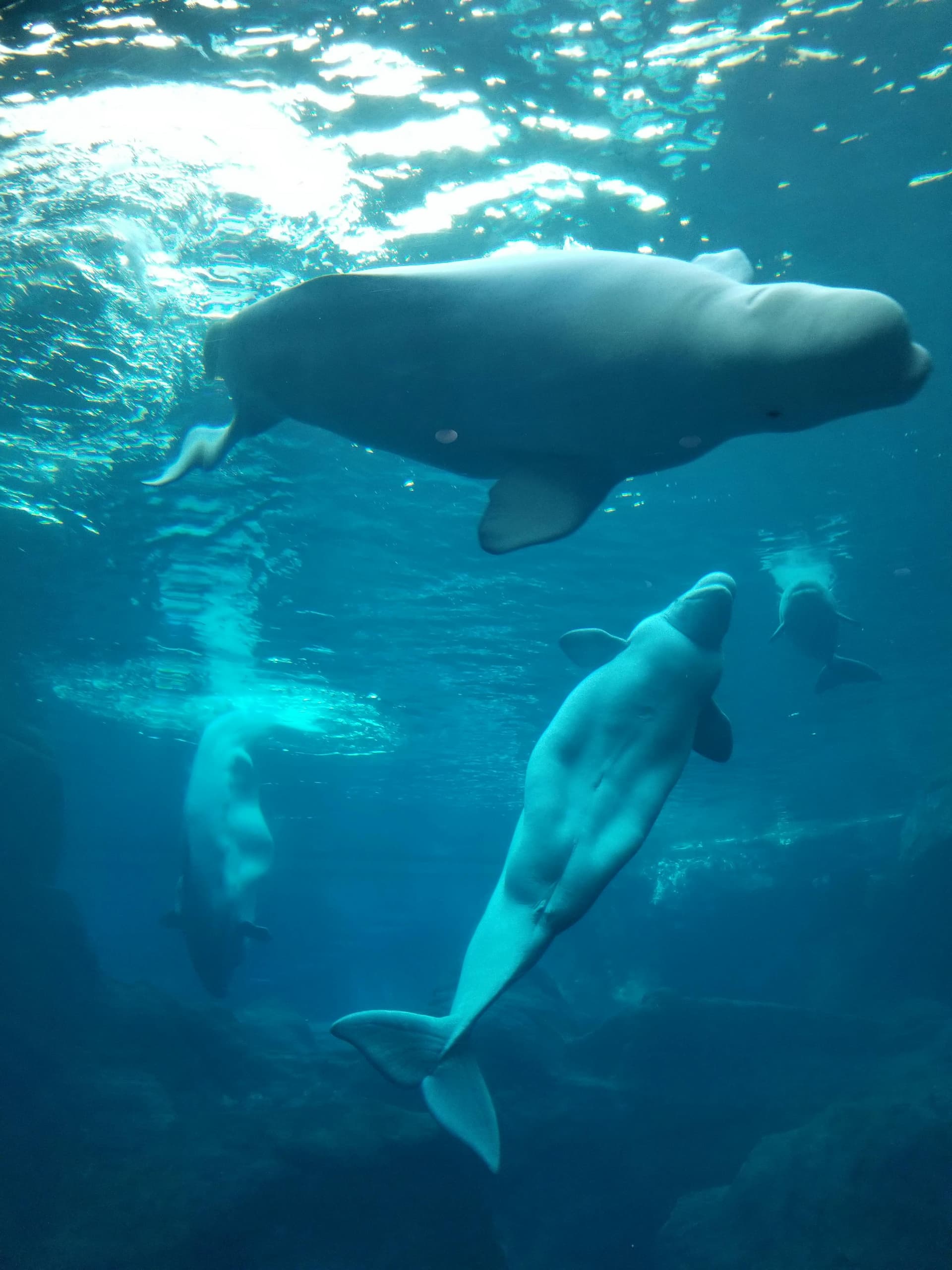
Beluga - A Voz Natalina do Ártico
Belugas are also known as white whales and are recognized for the variety of vocal sounds they produce, which has earned them the nickname “canaries of the sea.” They rely on their hearing and echolocation to hunt and navigate and have good vision. When they are calves, they have a dark gray coloration, which lightens as they grow and turns white upon reaching maturity. Instead of a dorsal fin, belugas have a sturdy dorsal ridge that allows them to swim more easily under ice blocks. They have 36 to 40 teeth in total, an indistinct beak, and a rounded, flexible protuberance on the top of their head that helps modulate and focus their vocalizations. Additionally, their cervical vertebrae are not fused, allowing them to move their heads side to side, and they have a thick layer of blubber, representing 40% of their body, which stores energy and keeps them warm in their environment. In the wild, belugas have a very diverse diet, which varies significantly by region, including octopus, squid, crab, shrimp, clams, salmon, eulachon, Arctic cod, herring, smelt, and flounder. Sexual maturity occurs between 6 and 14 years for females, and slightly later for males. Females can give birth every 2 to 3 years, usually during summer in warmer waters, as calves do not yet have a thick layer of blubber to protect them from cold water. Gestation lasts approximately 15 months, and calves are nursed for about two years. Age can be estimated by analyzing their teeth, which develop growth layers similar to the rings of a tree. Belugas often form groups for social interactions, migration, and hunting. They are found in circumpolar Arctic and sub-Arctic waters, inhabiting estuaries, continental shelf and slope waters, and deep ocean basins in open water, loose ice, and compact ice conditions. There are 21 distinct wild beluga populations, half of which have been systematically studied, although one population may have gone extinct. In Alaskan waters, there are five beluga populations: Beaufort Sea, Bristol Bay, Cook Inlet, Eastern Bering Sea, and Eastern Chukchi Sea. Belugas face anthropogenic impacts, including pollution, habitat degradation, interactions with fisheries, hunting for human consumption, oil and gas exploitation, increased vessel noise, disease, and predation by orcas and polar bears. Hunting is currently prohibited, although some Alaskan natives still hunt them for subsistence. Marine Mammal Protection laws safeguard these populations by combining conservation and recovery efforts for reduced or threatened populations and monitoring other populations. Measures include habitat protection, minimizing acoustic disturbance, response to beluga strandings, disaster response planning, evaluating projects that may affect belugas and their habitats, subsistence harvest monitoring, and environmental education.
Krill
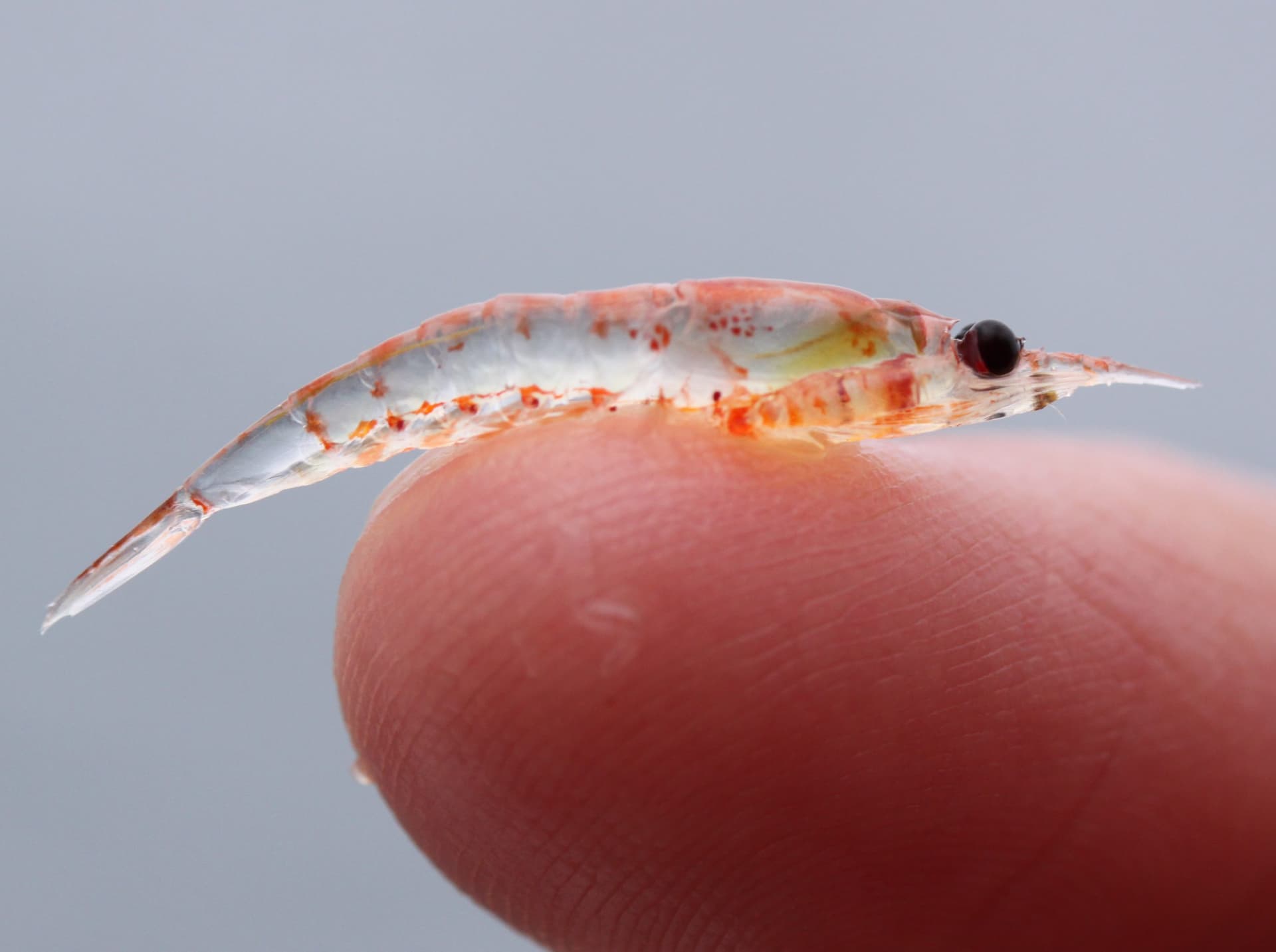
Krill – The Little Christmas Treasure of the Seas
Antarctic krill is one of the largest among the 85 known krill species and is the most famous and numerous in the world. Krill is the collective name given to crustaceans of the order Euphausiacea, genus Euphausia, which are similar to small shrimp. Despite their small size, ranging from 8 to 60 millimeters, the global krill population is estimated to exceed 700 trillion individuals. Euphausia superba from the continental shelf of the Bellingshausen Sea uses its thoracic appendages as a kind of basket for filter feeding. Krill grows up to about 6 cm in length, lives up to five years, and due to its swimming ability, some people consider it more similar to small fish than drifting plankton. Most measure between 1 and 2 centimeters, but the largest can reach 6 centimeters or more. Krill is the main food source for many marine mammals and fish, including whales, seals, and penguins. It lives in dense swarms that can contain more than 10,000 individuals per cubic meter of water, in all oceans, especially in the icy waters of Antarctica. The total area inhabited by Antarctic krill may reach 32 million square kilometers, larger than Africa and equivalent to 11% of the Earth's ocean surface. Its diet consists mainly of phytoplankton, but it serves as food for hundreds of marine species. Antarctic krill sustains penguins, seals, whales, and other species; a crabeater seal can consume 11,000 krill per day, an Adélie penguin up to 1,200, and a blue whale about 3.6 million. These crustaceans help regulate phytoplankton levels in the oceans, contributing to ecosystem balance. The biomass of Euphausia superba is estimated at 379 million tons. Krill plays an important role in mitigating climate change. It ingests carbon through phytoplankton and, by excreting and shedding its exoskeleton, that carbon sinks to the ocean floor and is partially stored. In addition, krill is a source of omega-3 and nutrients such as vitamin A and protein, used in human dietary supplements. Moderate consumption is considered safe, although excessive doses may affect blood coagulation. Antarctic krill faces threats such as global warming, sea ice melting, ocean acidification, and human harvesting. Since 1970, its population in waters near the Antarctic Peninsula has declined significantly, affecting dependent species such as Adélie and chinstrap penguins. Krill fishing is regulated by international organizations like CCAMLR to ensure sustainability and protect marine ecosystems. Alternatives to krill, such as seaweed, are being explored to reduce environmental impact. Interesting facts include the formation of super swarms that can be tens of kilometers wide and more than 100 meters deep, visible even from space. Krill is also bioluminescent, producing light possibly for communication and camouflage, and performs daily vertical migrations, rising to the surface at night to feed and descending during the day to avoid predators.