





Medium-sized Amazonian fish
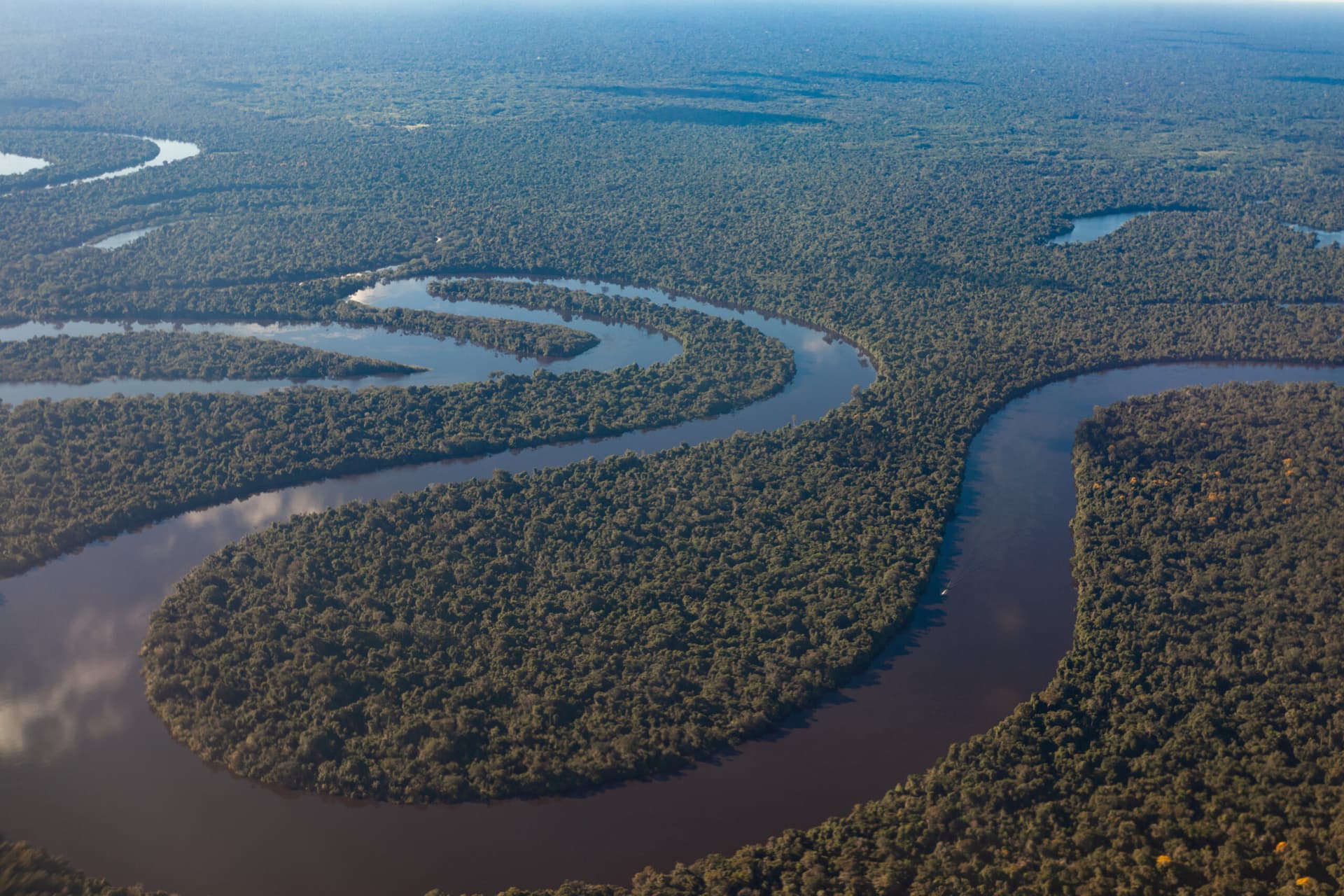
The Amazon Basin harbors most of the world's freshwater fish diversity.
Because it is a region characterized by an extensive network of rivers, lakes, streams, and flooded forest areas known as igapós, the Amazon hosts one of the greatest diversities of freshwater fish on the planet. In this dynamic and highly complex environment, new species are described frequently, making it difficult to determine precisely the total number of species present in the region. Among the medium-sized fish that inhabit these ecosystems, freshwater stingrays stand out, being especially adapted to the conditions of Amazonian rivers. These animals play an important role in maintaining ecological balance, occupying specific niches and reflecting the extraordinary biodiversity and unique evolutionary processes of the Amazon Basin.
Tank species
Oscar
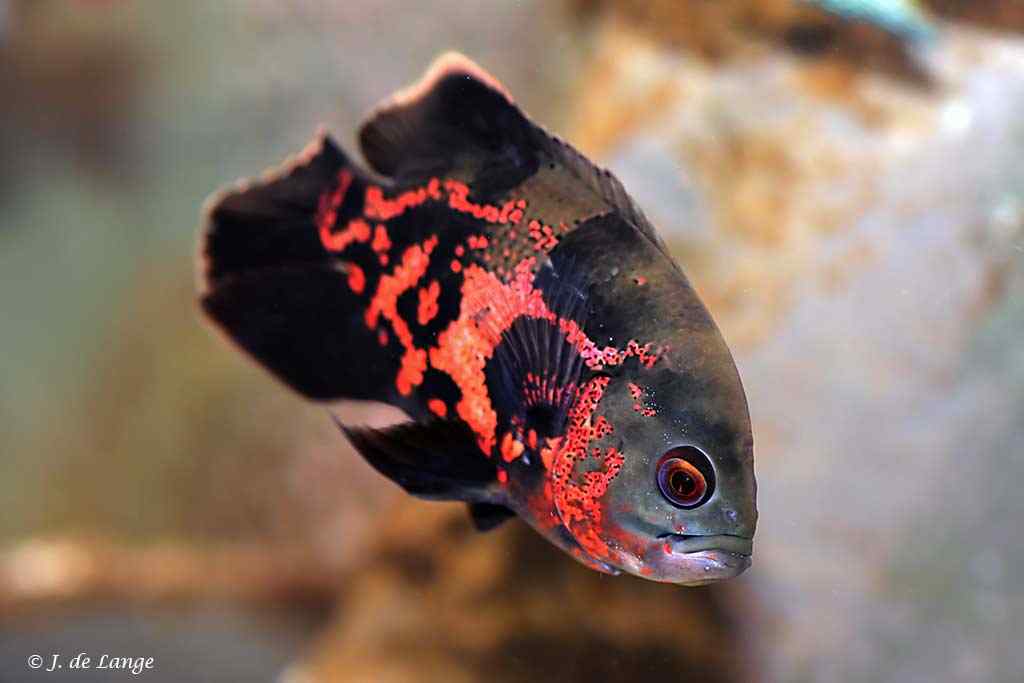
Astronotus ocellatus
The Oscar fish is a freshwater species native to South America, found in the Amazon and Orinoco river basins. It is omnivorous, feeding on small fish, crustaceans, insects, and plant material, and can adapt to a wide range of foods in captivity. Oscars show strong parental care, with both parents cleaning and guarding the nesting site, as well as protecting and caring for the eggs and fry.
South American freshwater ray

Potamotrygon motoro
Found in South America, in the basins of the Uruguay, Paraná, Paraguay, Orinoco and Amazon rivers. Like other species of rays and sharks, they have a cartilage skeleton. It has the spiracle, which is an opening behind the eye, specialized for breathing. It produces a super toxic mucus that builds up in glands associated with the stinger that can cause painful wounds, headache, nausea and diarrhea in the prey. Toxicity varies by species.